

Natural Granite

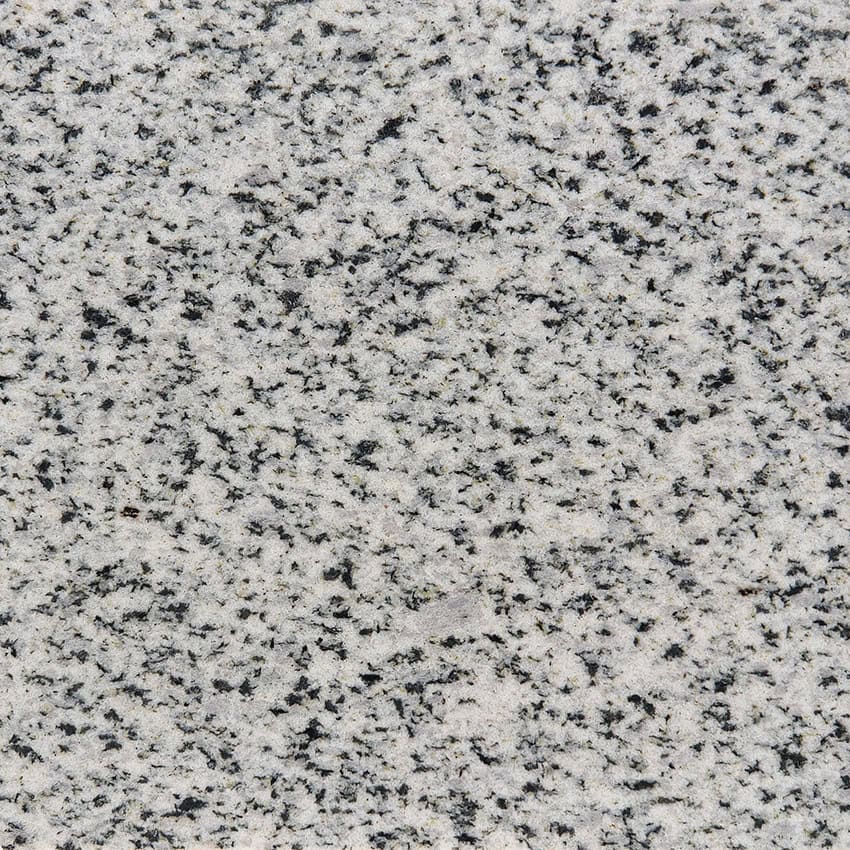
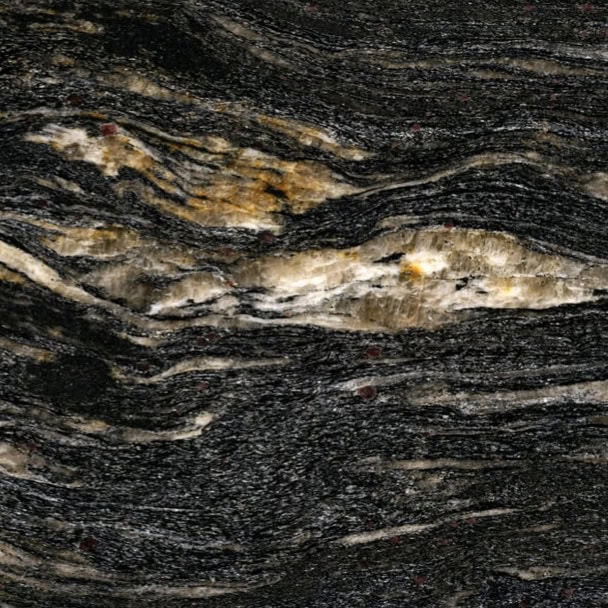
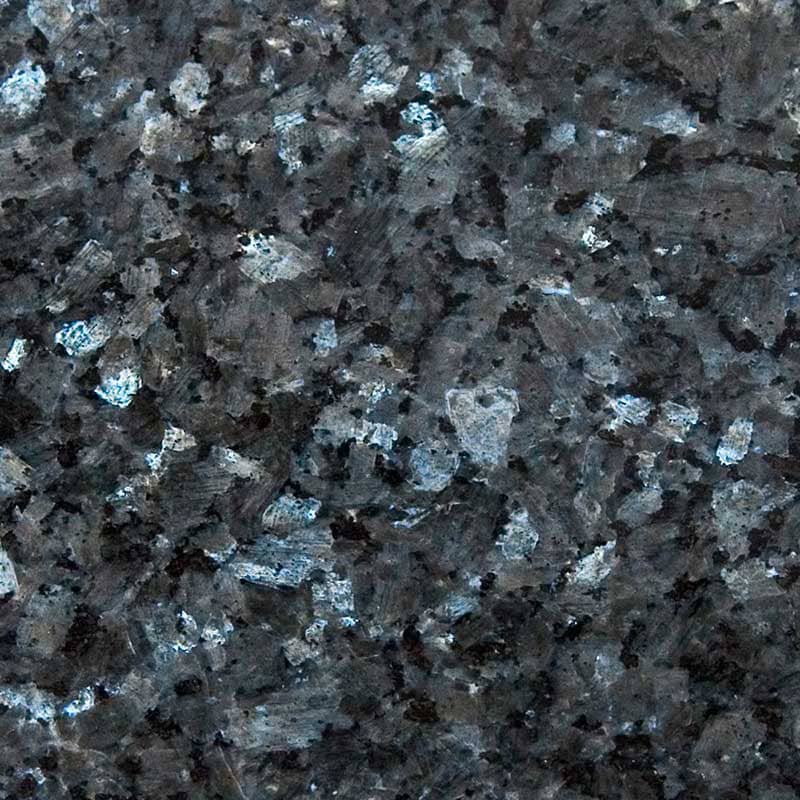
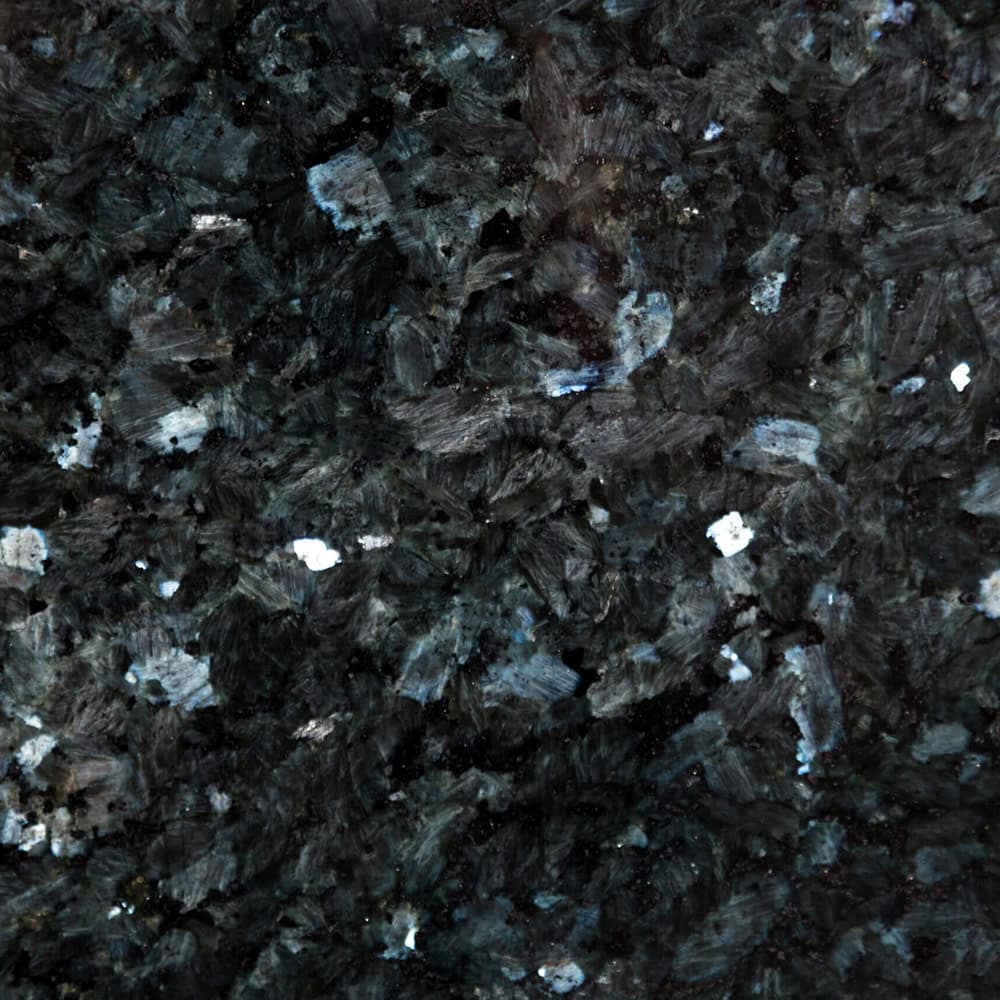
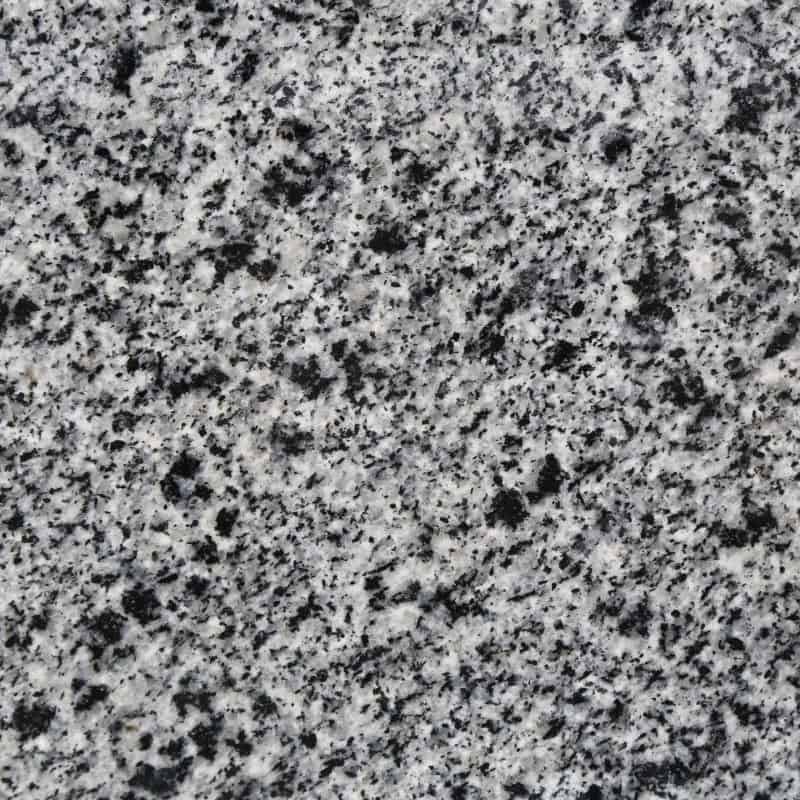
Granite is a large grained (which its name granite derives from), volcanic and plutonic rock that mostly consists of quartz and feldspar minerals, and minor amounts of mica, amphiboles and other minerals. Granite is a volcanic rock due to the fact that it is formed by magma. According to the magmatic theory, granite is formed by the crystal fractionation of magma. Thus, the reason for the granite bodies is intrusion of liquid magma into existing rocks. Granules inside granite rocks are arranged in a random order rather than being in a designed structure; this type of a structure gives granite a plutonic (large and solidified deep beneath) ability. The second distinctive feature of granite is that it consists of coarse grains. The word “granite” derives from the Latin granum. Grains of granite aren’t the same size; granite consists of grains of different sizes and large grains that can be seen with naked eye. The third and last ability of granite is that it contains quartz, feldspar and other minerals. All types of granites contain quartz and feldspar, a minor amount of other minerals. But sometimes they don’t contain a specific type at all. The density ratio of these minerals are 50% and more feldspar, 25-40% quartz and 3-10% mica, amphibole, biotite and hornblend. Structural characteristics, color and texture of the granite is determined by these minerals. For example, while light-colored granites show the existence of quartz and feldspar granules with white through pink, black colors show the existence of biotite and hornblend.